
Introduction – ENGLISH
The digital lending sector has transformed financial services by offering convenience, speed, and accessibility. In India alone, digital lending has surged, with the market projected to reach $20.5 billion by 2026 at a 13.8% CAGR, driven by increased smartphone penetration and internet connectivity. However, this rapid digitization has made digital lending platforms prime targets for cybercriminals. From data breaches to sophisticated fraud schemes, the industry faces escalating risks that threaten financial stability, customer trust, and regulatory compliance. This article explores the critical cybersecurity threats facing digital lending, effective fraud prevention strategies, and best practices to ensure secure and resilient operations.
परिचय- HINDI
डिजिटल लेंडिंग सेक्टर ने सुविधा, गति और पहुँच प्रदान करके वित्तीय सेवाओं को बदल दिया है। अकेले भारत में, डिजिटल लेंडिंग में उछाल आया है, जिसका अनुमान है कि 2026 तक बाजार 13.8% CAGR पर $20.5 बिलियन तक पहुँच जाएगा, जो स्मार्टफोन की बढ़ती पहुँच और इंटरनेट कनेक्टिविटी के कारण है। हालाँकि, इस तेज़ डिजिटलीकरण ने डिजिटल लेंडिंग प्लेटफ़ॉर्म को साइबर अपराधियों के लिए प्रमुख लक्ष्य बना दिया है। डेटा उल्लंघनों से लेकर परिष्कृत धोखाधड़ी योजनाओं तक, उद्योग को बढ़ते जोखिमों का सामना करना पड़ता है जो वित्तीय स्थिरता, ग्राहक विश्वास और नियामक अनुपालन को खतरे में डालते हैं। यह लेख डिजिटल लेंडिंग का सामना करने वाले महत्वपूर्ण साइबर सुरक्षा खतरों, प्रभावी धोखाधड़ी रोकथाम रणनीतियों और सुरक्षित और लचीले संचालन को सुनिश्चित करने के सर्वोत्तम तरीकों का पता लगाता है।
Key Cybersecurity Threats in Digital Lending- ENHLISH
Digital lending platforms handle vast amounts of sensitive data, including personal identification information (PII), credit histories, and financial transactions, making them lucrative targets for cybercriminals. Below are the primary threats:
1. Data Breaches
Cybercriminals exploit vulnerabilities through phishing, malware, or unsecured APIs to gain unauthorized access to sensitive data. A single breach can compromise customer PII, leading to identity theft, financial loss, and reputational damage. According to IBM Security, the average cost of a data breach in financial institutions is $3.86 million.
2. Phishing Attacks
Phishing remains a prevalent threat, with approximately 3.4 billion phishing emails sent daily worldwide. Fraudsters impersonate trusted entities (e.g., IT departments or lenders) to trick employees or customers into revealing login credentials or financial details. For instance, a phishing email may prompt a user to click a malicious link, granting attackers access to the lending platform.
3. Account Takeover (ATO) Attacks
Fraudsters use stolen credentials, often obtained via phishing or credential stuffing, to access customer accounts and perform unauthorized transactions. Shape Security estimates that 60% of login attempts on consumer bank accounts are credential-stuffing attacks.
4. Application Fraud
Fraudsters create fake identities or use stolen ones to apply for loans with no intention of repayment. Digital lending’s streamlined application processes can make it harder to detect such fraud without robust verification systems.
5. Ransomware and Denial of Service (DoS) Attacks
Ransomware locks critical data, demanding payment for access, while DoS attacks disrupt platform operations, causing downtime and financial losses. In Latin America, 137 billion cyberattack attempts were recorded in the first half of 2022, with ransomware being a significant threat.
6. Third-Party Vendor Vulnerabilities
Many digital lending platforms rely on third-party vendors for loan management software or APIs, which can introduce vulnerabilities. The 2020 SolarWinds hack demonstrated how attackers exploit third-party systems to infiltrate financial institutions, often going undetected for months.
डिजिटल लेंडिंग में साइबर सुरक्षा के मुख्य खतरे- HINDI
डिजिटल लेंडिंग प्लेटफ़ॉर्म व्यक्तिगत पहचान जानकारी (PII), क्रेडिट इतिहास और वित्तीय लेनदेन सहित बड़ी मात्रा में संवेदनशील डेटा संभालते हैं, जिससे वे साइबर अपराधियों के लिए आकर्षक लक्ष्य बन जाते हैं। नीचे प्राथमिक खतरे दिए गए हैं:
- डेटा उल्लंघन
साइबर अपराधी संवेदनशील डेटा तक अनधिकृत पहुँच प्राप्त करने के लिए फ़िशिंग, मैलवेयर या असुरक्षित API के माध्यम से कमज़ोरियों का फ़ायदा उठाते हैं। एक भी उल्लंघन ग्राहक PII से समझौता कर सकता है, जिससे पहचान की चोरी, वित्तीय नुकसान और प्रतिष्ठा को नुकसान हो सकता है। IBM सुरक्षा के अनुसार, वित्तीय संस्थानों में डेटा उल्लंघन की औसत लागत $3.86 मिलियन है।
- फ़िशिंग हमले
फ़िशिंग एक प्रचलित खतरा बना हुआ है, दुनिया भर में प्रतिदिन लगभग 3.4 बिलियन फ़िशिंग ईमेल भेजे जाते हैं। धोखेबाज़ कर्मचारियों या ग्राहकों को धोखा देने के लिए लॉगिन क्रेडेंशियल या वित्तीय विवरण प्रकट करने के लिए विश्वसनीय संस्थाओं (जैसे, IT विभाग या ऋणदाता) का प्रतिरूपण करते हैं। उदाहरण के लिए, फ़िशिंग ईमेल उपयोगकर्ता को दुर्भावनापूर्ण लिंक पर क्लिक करने के लिए प्रेरित कर सकता है, जिससे हमलावरों को ऋण देने वाले प्लेटफ़ॉर्म तक पहुँच मिल जाती है।
- अकाउंट टेकओवर (ATO) हमले
धोखेबाज़ ग्राहक खातों तक पहुँचने और अनधिकृत लेनदेन करने के लिए अक्सर फ़िशिंग या क्रेडेंशियल स्टफ़िंग के ज़रिए प्राप्त किए गए चोरी किए गए क्रेडेंशियल का उपयोग करते हैं। शेप सिक्योरिटी का अनुमान है कि उपभोक्ता बैंक खातों पर लॉगिन प्रयासों में से 60% क्रेडेंशियल-स्टफ़िंग हमले हैं।
- आवेदन धोखाधड़ी
धोखेबाज़ बिना किसी पुनर्भुगतान के इरादे से ऋण के लिए आवेदन करने के लिए नकली पहचान बनाते हैं या चोरी की गई पहचान का उपयोग करते हैं। डिजिटल ऋण की सुव्यवस्थित आवेदन प्रक्रियाएँ मज़बूत सत्यापन प्रणालियों के बिना इस तरह की धोखाधड़ी का पता लगाना कठिन बना सकती हैं।
- रैनसमवेयर और सेवा से इनकार (DoS) हमले
रैंसमवेयर महत्वपूर्ण डेटा को लॉक कर देता है, पहुँच के लिए भुगतान की माँग करता है, जबकि DoS हमले प्लेटफ़ॉर्म संचालन को बाधित करते हैं, जिससे डाउनटाइम और वित्तीय नुकसान होता है। लैटिन अमेरिका में, 2022 की पहली छमाही में 137 बिलियन साइबर हमले के प्रयास दर्ज किए गए, जिसमें रैनसमवेयर एक महत्वपूर्ण खतरा था।
- थर्ड-पार्टी वेंडर की कमज़ोरियाँ
कई डिजिटल लेंडिंग प्लेटफ़ॉर्म लोन मैनेजमेंट सॉफ़्टवेयर या API के लिए थर्ड-पार्टी वेंडर पर निर्भर करते हैं, जो कमज़ोरियों को पेश कर सकते हैं। 2020 के सोलरविंड्स हैक ने दिखाया कि कैसे हमलावर वित्तीय संस्थानों में घुसपैठ करने के लिए थर्ड-पार्टी सिस्टम का फायदा उठाते हैं, अक्सर महीनों तक उनका पता नहीं चल पाता।
Fraud Prevention Strategies- ENGLISH
To combat these threats, digital lenders must adopt a proactive, multi-layered approach to cybersecurity and fraud prevention. Below are key strategies:
1. Robust Identity Verification and Authentication
- Multi-Factor Authentication (MFA): MFA adds layers of security beyond passwords, such as SMS codes, biometric verification, or authenticator apps. MFA mitigates the risk of account takeovers by ensuring that even stolen credentials cannot grant access without additional verification.
- Biometric Authentication: Technologies like voiceprint (used by Bank of America) and facial recognition provide secure, user-friendly alternatives to passwords. Voiceprint, for example, verifies identity in the background during customer interactions, enhancing both security and convenience.
- Know Your Customer (KYC) Processes: Robust KYC protocols, including digital identity verification and credit bureau checks, help confirm borrower identities and reduce application fraud.
2. Advanced Fraud Detection Technologies
- Artificial Intelligence (AI) and Machine Learning (ML): AI and ML algorithms analyze transaction patterns and borrower behavior to detect anomalies indicative of fraud in real-time. For example, HES LoanBox uses ML for advanced credit scoring and fraud detection, identifying suspicious activities with high accuracy.
- Data Analytics: Analyzing historical and real-time data helps identify patterns of fraudulent activity, such as unusual transaction volumes or login attempts from unknown devices.
- Blockchain: Blockchain technology enhances transparency and security by creating immutable records of transactions, reducing the risk of tampering or fraud.
3. Encryption and Secure Infrastructure
- Data Encryption: Encrypting sensitive data, both at rest and in transit, ensures that intercepted information remains unreadable. Advanced encryption protocols are critical for protecting PII and financial data.
- Firewalls and Intrusion Detection Systems (IDS): Firewalls and IDS prevent unauthorized access and detect intrusions early, minimizing damage from cyberattacks.
- Zero-Trust Architecture: A zero-trust approach assumes no user or device is inherently trustworthy, requiring continuous validation of access requests. While resource-intensive, it significantly reduces the attack surface.
4. Employee Training and Awareness
Human error is a leading cause of data breaches. Regular employee training on cybersecurity best practices, such as recognizing phishing emails and securing devices, is essential. Simulated phishing exercises can reinforce awareness and preparedness.
5. Regulatory Compliance and Audits
Compliance with regulations like GDPR, PCI DSS, and RBI guidelines ensures robust data protection and fraud prevention. Regular security audits and IT risk assessments identify vulnerabilities and ensure adherence to standards. Appointing a dedicated Data Protection Officer helps maintain compliance with data protection laws.
6. Global Shared Intelligence Databases
Integrating platforms with global shared intelligence databases allows lenders to flag suspicious activities, such as login attempts from known botnets or stolen identities, in real-time. This collaborative approach enhances fraud detection across the industry.
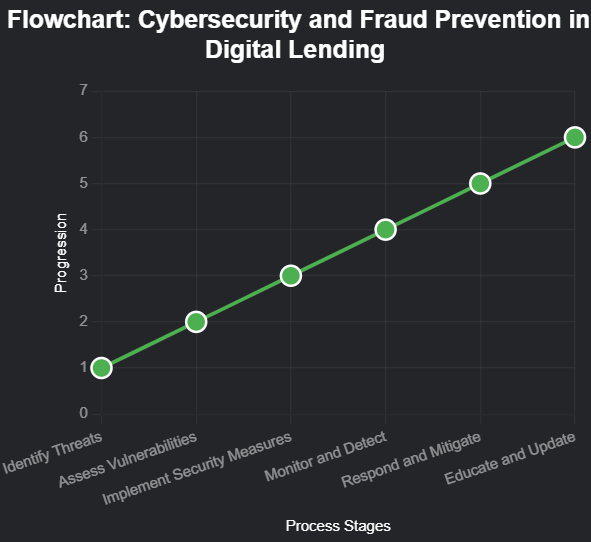
Best Practices for Secure Digital Lending
To build a resilient cybersecurity framework, digital lenders should adopt the following best practices:
- Appoint a Cybersecurity Director: A dedicated cybersecurity leader ensures ongoing oversight and strategic planning.
- Continuous Monitoring and Updates: Security must be maintained throughout the product lifecycle, with regular updates to address new vulnerabilities.
- Balance Security and Customer Experience: Implement anti-fraud measures that do not deter legitimate applicants. For example, seamless MFA and automated KYC processes enhance security without compromising convenience.
- Collaborate with Regulators and Law Enforcement: Sharing information with regulatory bodies and law enforcement helps prevent fraud and strengthens industry-wide defenses.
- Consumer Education: Educate borrowers on secure practices, such as using strong passwords, avoiding suspicious links, and keeping software updated. This shared responsibility model enhances overall security.
- Diversify Risk Management: Use advanced credit assessment models and diversify lending portfolios to mitigate credit and fraud risks.
Case Studies and Real-World Examples
- SolarWinds Hack (2020): Attackers exploited vulnerabilities in third-party software, affecting thousands of organizations, including lenders, highlighting the need for robust vendor security.
- Bluebottle Cybercrime Group (Africa): This group targeted financial institutions in Francophone Africa, causing millions in losses over four years using accessible attack methods, underscoring the importance of basic cybersecurity measures.
- Silicon Valley Bank Failure (2023): Market fluctuations and liquidity issues demonstrated how economic factors can exacerbate cybersecurity risks, emphasizing the need for comprehensive risk management.
Emerging Trends in 2025
- Cybersecurity 2.0: This paradigm shift emphasizes proactive, multi-faceted strategies, including AI-driven threat detection and zero-trust architectures.
- AI-Powered Attacks: As AI advances, cybercriminals are leveraging it for sophisticated phishing and fraud schemes, necessitating equally advanced defenses.
- Regulatory Evolution: The Reserve Bank of India (RBI) has introduced stricter cybersecurity standards for lending service providers (LSPs), requiring transparent privacy policies and robust data protection measures.
Conclusion
Cybersecurity and fraud prevention are critical to the sustainability of digital lending. By adopting advanced technologies like AI, ML, and blockchain, implementing robust authentication and encryption, and fostering a culture of awareness and compliance, lenders can protect sensitive data and maintain customer trust. As cyber threats evolve, a proactive and collaborative approach—combining technology, employee training, and consumer education—will ensure safe and swift digital lending transactions. For further details on specific solutions or compliance requirements, lenders can refer to resources like , RBI guidelines
धोखाधड़ी रोकथाम रणनीतियाँ- HINDI
इन खतरों से निपटने के लिए, डिजिटल ऋणदाताओं को साइबर सुरक्षा और धोखाधड़ी की रोकथाम के लिए एक सक्रिय, बहुस्तरीय दृष्टिकोण अपनाना चाहिए। नीचे मुख्य रणनीतियाँ दी गई हैं:
- मजबूत पहचान सत्यापन और प्रमाणीकरण
मल्टी-फ़ैक्टर प्रमाणीकरण (MFA): MFA पासवर्ड से परे सुरक्षा की परतें जोड़ता है, जैसे कि SMS कोड, बायोमेट्रिक सत्यापन, या प्रमाणक ऐप। MFA यह सुनिश्चित करके खाता अधिग्रहण के जोखिम को कम करता है कि चोरी किए गए क्रेडेंशियल भी अतिरिक्त सत्यापन के बिना पहुँच प्रदान नहीं कर सकते।
बायोमेट्रिक प्रमाणीकरण: वॉयसप्रिंट (बैंक ऑफ़ अमेरिका द्वारा उपयोग किया जाता है) और चेहरे की पहचान जैसी तकनीकें पासवर्ड के लिए सुरक्षित, उपयोगकर्ता के अनुकूल विकल्प प्रदान करती हैं। उदाहरण के लिए, वॉयसप्रिंट ग्राहक इंटरैक्शन के दौरान पृष्ठभूमि में पहचान सत्यापित करता है, जिससे सुरक्षा और सुविधा दोनों बढ़ जाती है।
अपने ग्राहक को जानें (KYC) प्रक्रियाएँ: डिजिटल पहचान सत्यापन और क्रेडिट ब्यूरो जाँच सहित मजबूत KYC प्रोटोकॉल, उधारकर्ता की पहचान की पुष्टि करने और आवेदन धोखाधड़ी को कम करने में मदद करते हैं।
- उन्नत धोखाधड़ी का पता लगाने वाली तकनीकें
आर्टिफिशियल इंटेलिजेंस (AI) और मशीन लर्निंग (ML): AI और ML एल्गोरिदम वास्तविक समय में धोखाधड़ी के संकेत देने वाली विसंगतियों का पता लगाने के लिए लेन-देन के पैटर्न और उधारकर्ता के व्यवहार का विश्लेषण करते हैं। उदाहरण के लिए, HES लोनबॉक्स उन्नत क्रेडिट स्कोरिंग और धोखाधड़ी का पता लगाने के लिए ML का उपयोग करता है, जो उच्च सटीकता के साथ संदिग्ध गतिविधियों की पहचान करता है।
डेटा एनालिटिक्स: ऐतिहासिक और वास्तविक समय के डेटा का विश्लेषण करने से धोखाधड़ी वाली गतिविधि के पैटर्न की पहचान करने में मदद मिलती है, जैसे कि असामान्य लेनदेन वॉल्यूम या अज्ञात उपकरणों से लॉगिन प्रयास।
ब्लॉकचेन: ब्लॉकचेन तकनीक लेनदेन के अपरिवर्तनीय रिकॉर्ड बनाकर पारदर्शिता और सुरक्षा को बढ़ाती है, जिससे छेड़छाड़ या धोखाधड़ी का जोखिम कम होता है।
- एन्क्रिप्शन और सुरक्षित बुनियादी ढांचा
डेटा एन्क्रिप्शन: संवेदनशील डेटा को एन्क्रिप्ट करना, दोनों आराम और पारगमन में, यह सुनिश्चित करता है कि इंटरसेप्ट की गई जानकारी अपठनीय बनी रहे। PII और वित्तीय डेटा की सुरक्षा के लिए उन्नत एन्क्रिप्शन प्रोटोकॉल महत्वपूर्ण हैं।
फ़ायरवॉल और घुसपैठ का पता लगाने वाली प्रणालियाँ (IDS): फ़ायरवॉल और IDS अनधिकृत पहुँच को रोकते हैं और घुसपैठ का जल्दी पता लगाते हैं, जिससे साइबर हमलों से होने वाले नुकसान को कम किया जा सकता है।
जीरो-ट्रस्ट आर्किटेक्चर: जीरो-ट्रस्ट दृष्टिकोण यह मानता है कि कोई भी उपयोगकर्ता या डिवाइस स्वाभाविक रूप से भरोसेमंद नहीं है, जिसके लिए पहुँच अनुरोधों की निरंतर पुष्टि की आवश्यकता होती है। संसाधन-गहन होने के बावजूद, यह हमले की सतह को काफी कम कर देता है।
- कर्मचारी प्रशिक्षण और जागरूकता
मानवीय त्रुटि डेटा उल्लंघनों का एक प्रमुख कारण है। साइबर सुरक्षा सर्वोत्तम प्रथाओं पर नियमित कर्मचारी प्रशिक्षण, जैसे कि फ़िशिंग ईमेल को पहचानना और डिवाइस को सुरक्षित करना, आवश्यक है। नकली फ़िशिंग अभ्यास जागरूकता और तैयारियों को सुदृढ़ कर सकते हैं।
- विनियामक अनुपालन और ऑडिट
जीडीपीआर, पीसीआई डीएसएस और आरबीआई दिशानिर्देशों जैसे विनियमों का अनुपालन मजबूत डेटा सुरक्षा और धोखाधड़ी की रोकथाम सुनिश्चित करता है। नियमित सुरक्षा ऑडिट और आईटी जोखिम आकलन कमजोरियों की पहचान करते हैं और मानकों का पालन सुनिश्चित करते हैं। एक समर्पित डेटा सुरक्षा अधिकारी की नियुक्ति डेटा सुरक्षा कानूनों के अनुपालन को बनाए रखने में मदद करती है।
- वैश्विक साझा खुफिया डेटाबेस
वैश्विक साझा खुफिया डेटाबेस के साथ प्लेटफ़ॉर्म को एकीकृत करने से ऋणदाता वास्तविक समय में संदिग्ध गतिविधियों, जैसे कि ज्ञात बॉटनेट या चोरी की गई पहचान से लॉगिन प्रयास, को चिह्नित करने की अनुमति देता है। यह सहयोगात्मक दृष्टिकोण उद्योग में धोखाधड़ी का पता लगाने को बढ़ाता है
केस स्टडी और वास्तविक दुनिया के उदाहरण
सोलरविंड्स हैक (2020): हमलावरों ने तीसरे पक्ष के सॉफ़्टवेयर में कमज़ोरियों का फ़ायदा उठाया, जिससे हज़ारों संगठन प्रभावित हुए, जिनमें ऋणदाता भी शामिल हैं, जिससे मज़बूत विक्रेता सुरक्षा की ज़रूरत पर ज़ोर दिया गया।
ब्लूबॉटल साइबरक्राइम ग्रुप (अफ़्रीका): इस समूह ने फ़्रैंकोफ़ोन अफ़्रीका में वित्तीय संस्थानों को निशाना बनाया, जिससे चार वर्षों में सुलभ हमले के तरीकों का उपयोग करके लाखों लोगों को नुकसान हुआ, जिससे बुनियादी साइबर सुरक्षा उपायों के महत्व पर ज़ोर दिया गया।
सिलिकॉन वैली बैंक विफलता (2023): बाज़ार में उतार-चढ़ाव और तरलता के मुद्दों ने दिखाया कि कैसे आर्थिक कारक साइबर सुरक्षा जोखिमों को बढ़ा सकते हैं, जिससे व्यापक जोखिम प्रबंधन की ज़रूरत पर ज़ोर दिया गया।
2025 में उभरते रुझान
साइबर सुरक्षा 2.0: यह प्रतिमान बदलाव सक्रिय, बहुआयामी रणनीतियों पर ज़ोर देता है, जिसमें AI-संचालित ख़तरे का पता लगाना और ज़ीरो-ट्रस्ट आर्किटेक्चर शामिल हैं।
AI-संचालित हमले: जैसे-जैसे AI आगे बढ़ रहा है, साइबर अपराधी परिष्कृत फ़िशिंग और धोखाधड़ी योजनाओं के लिए इसका लाभ उठा रहे हैं, जिसके लिए समान रूप से उन्नत बचाव की आवश्यकता है।
नियामक विकास: भारतीय रिज़र्व बैंक (RBI) ने ऋण सेवा प्रदाताओं (LSP) के लिए सख्त साइबर सुरक्षा मानक पेश किए हैं, जिसमें पारदर्शी गोपनीयता नीतियों और मजबूत डेटा सुरक्षा उपायों की आवश्यकता है।
निष्कर्ष
साइबर सुरक्षा और धोखाधड़ी की रोकथाम डिजिटल ऋण की स्थिरता के लिए महत्वपूर्ण हैं। AI, ML और ब्लॉकचेन जैसी उन्नत तकनीकों को अपनाकर, मजबूत प्रमाणीकरण और एन्क्रिप्शन को लागू करके और जागरूकता और अनुपालन की संस्कृति को बढ़ावा देकर, ऋणदाता संवेदनशील डेटा की सुरक्षा कर सकते हैं और ग्राहकों का विश्वास बनाए रख सकते हैं। जैसे-जैसे साइबर खतरे विकसित होते हैं, एक सक्रिय और सहयोगी दृष्टिकोण – प्रौद्योगिकी, कर्मचारी प्रशिक्षण और उपभोक्ता शिक्षा का संयोजन – सुरक्षित और तेज़ डिजिटल ऋण लेनदेन सुनिश्चित करेगा। विशिष्ट समाधानों या अनुपालन आवश्यकताओं के बारे में अधिक जानकारी के लिए, ऋणदाता RBI दिशानिर्देशों जैसे संसाधनों का संदर्भ ले सकते हैं।